If you are drawn to the Hamptons but want more than a beach address, Sag Harbor stands apart. It offers a true village center, a working waterfront feel, and a day-to-day rhythm shaped by both year-round residents and seasonal visitors. If you are considering a home here, understanding how the village actually functions can help you decide whether its mix of charm, access, and structure fits your lifestyle. Let’s take a closer look.
Why Sag Harbor Feels Different
Sag Harbor is a small incorporated village in Suffolk County on eastern Long Island, spanning about 2.3 square miles with roughly 3.3 miles of shoreline. It also has a distinctive layout, straddling both Southampton and East Hampton, with Division Street marking that split within the village.
That compact scale matters in daily life. Village planning documents describe a concentrated commercial area along Main Street, with residential neighborhoods surrounding the historic district to the south, east, and west. In practical terms, that means much of village life feels close at hand, with short local trips and a strong connection between home, harbor, and downtown.
Sag Harbor also carries a strong sense of place. Its official history traces the village from a major whaling port and port of entry to a community where tourism became an important part of the local economy after maritime industry declined.
Village Life Centers on Main Street
One of Sag Harbor’s defining strengths is that it lives like a village, not just a seasonal destination. The commercial core is concentrated in just several blocks, which helps create a walkable, Main Street-centered pattern for errands, dining, and everyday routines.
That scale can be especially appealing if you want a second home or full-time residence where the experience feels grounded and connected. Rather than relying on long drives for every outing, many daily activities happen within the village itself.
The numbers support that sense of an established local base. Recent ACS estimates show 2,489 residents and 1,134 households, with an average of 2.2 persons per household and a median age of 51.8.
Public Spaces Shape Everyday Living
In Sag Harbor, public space is not an afterthought. Village planning materials identify about 240 acres of recreational open space, including Havens Beach, Mashashimuet Park, Marine Park, and Long Wharf.
These spaces are part of how the village functions, not just how it looks. They help connect the waterfront to daily life and give residents and visitors access to shoreline, recreation, and open-air gathering places close to the center of town.
Havens Beach is especially important because the village identifies it as its only public bathing beach. For the 2026 season, the village is issuing resident parking permits that allow all-day parking there, which shows how beach access is actively managed rather than informal.
Waterfront Access Is Real, But Structured
Sag Harbor’s harbor setting is one of its biggest draws, but waterfront access here comes with rules and planning oversight. That is not a drawback for every buyer. In many cases, it is part of what helps preserve the setting people value in the first place.
The village’s state-approved Local Waterfront Revitalization Program covers its inner and outer coves and sets the framework for waterfront planning and water-use management. Village code also makes shoreline access a planning objective and states that uses should not unduly impede public access to the foreshore.
The Waterfront Overlay District adds another layer of structure. It is designed to preserve public views, maintain direct access to the water, and support a mix of industrial, commercial, water-dependent, and residential uses while limiting overdevelopment.
For buyers, that means waterfront property may offer exceptional appeal, but it also exists within a carefully managed environment. Height, setbacks, visual access, and stormwater standards can all matter on waterfront lots.
Boating Is Part of the Lifestyle
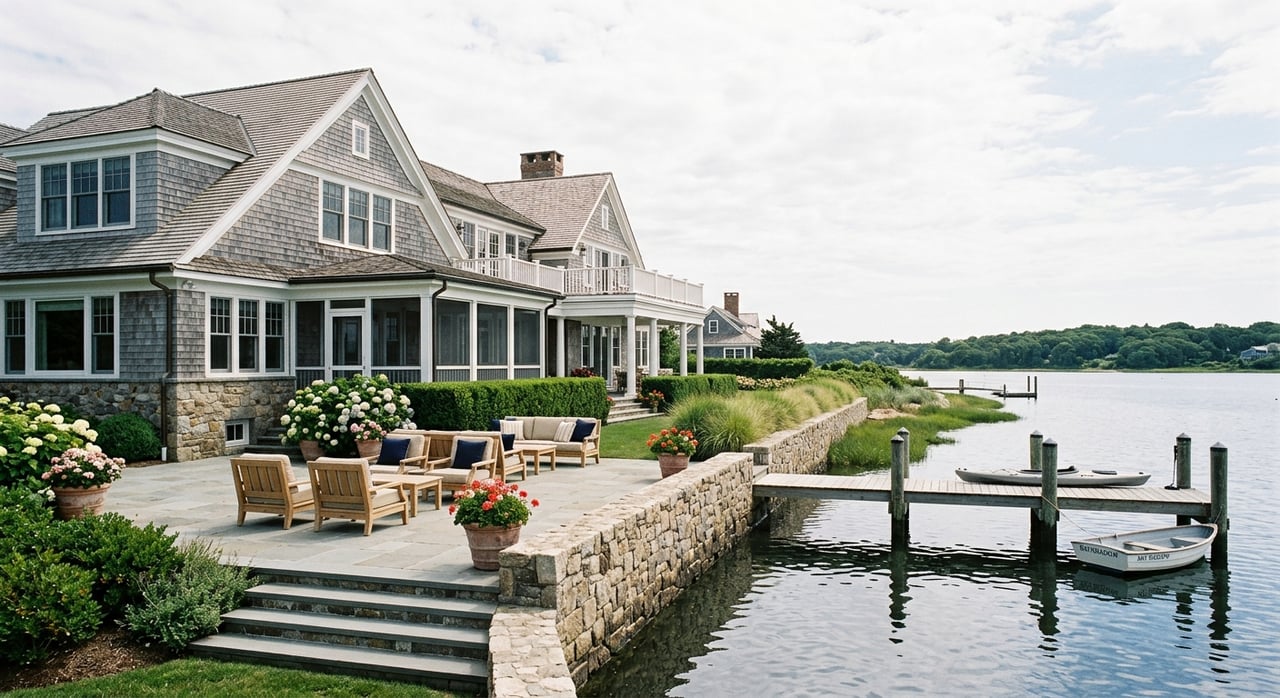
If your version of Hamptons living includes boating, Sag Harbor has meaningful infrastructure behind the image. The village harbormaster manages seasonal and transient dockage and moorings, and the boating season runs from April 1 through October 31.
Village information notes amenities such as free pump-out service, potable water in the mooring field, and heads and showers for guests. Just as important, marina facilities are within a short walk of shops, restaurants, and public bus transportation, reinforcing the village’s compact and connected feel.
This is one reason Sag Harbor appeals to buyers who want more than a private retreat. It offers a harbor village experience where the water is not just scenery. It is part of how many people spend their time.
Housing Reflects Historic Character
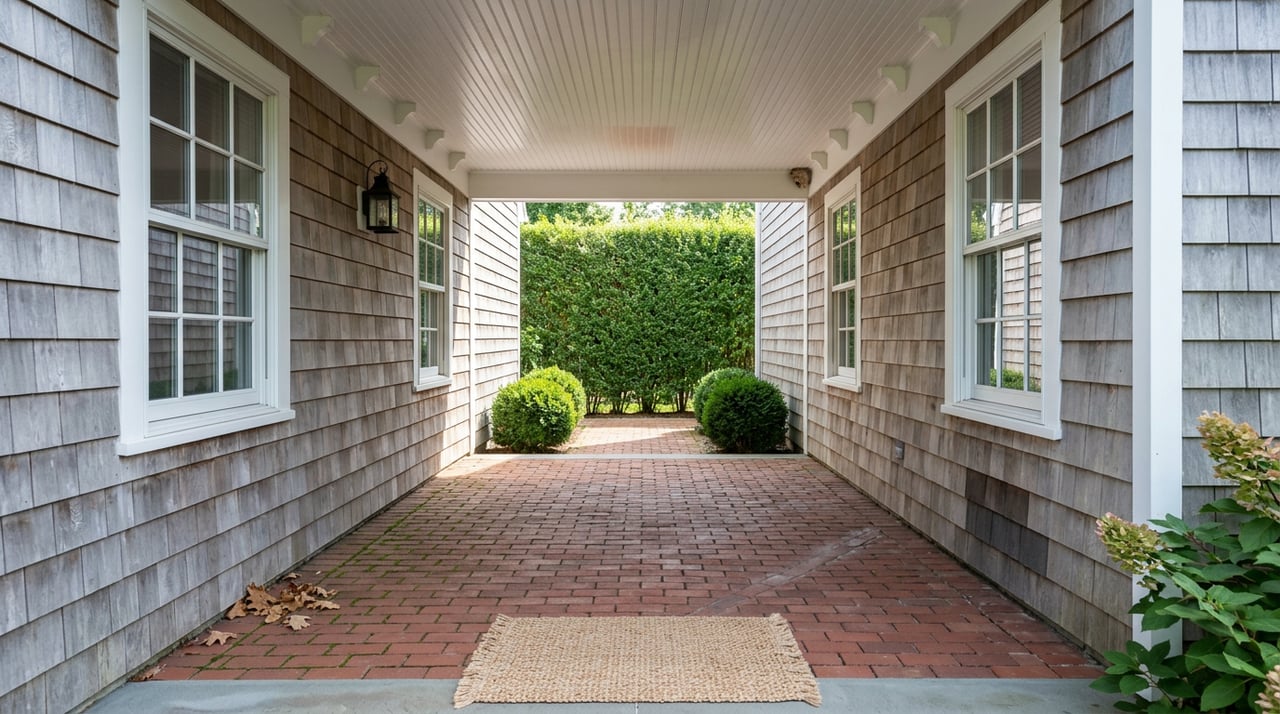
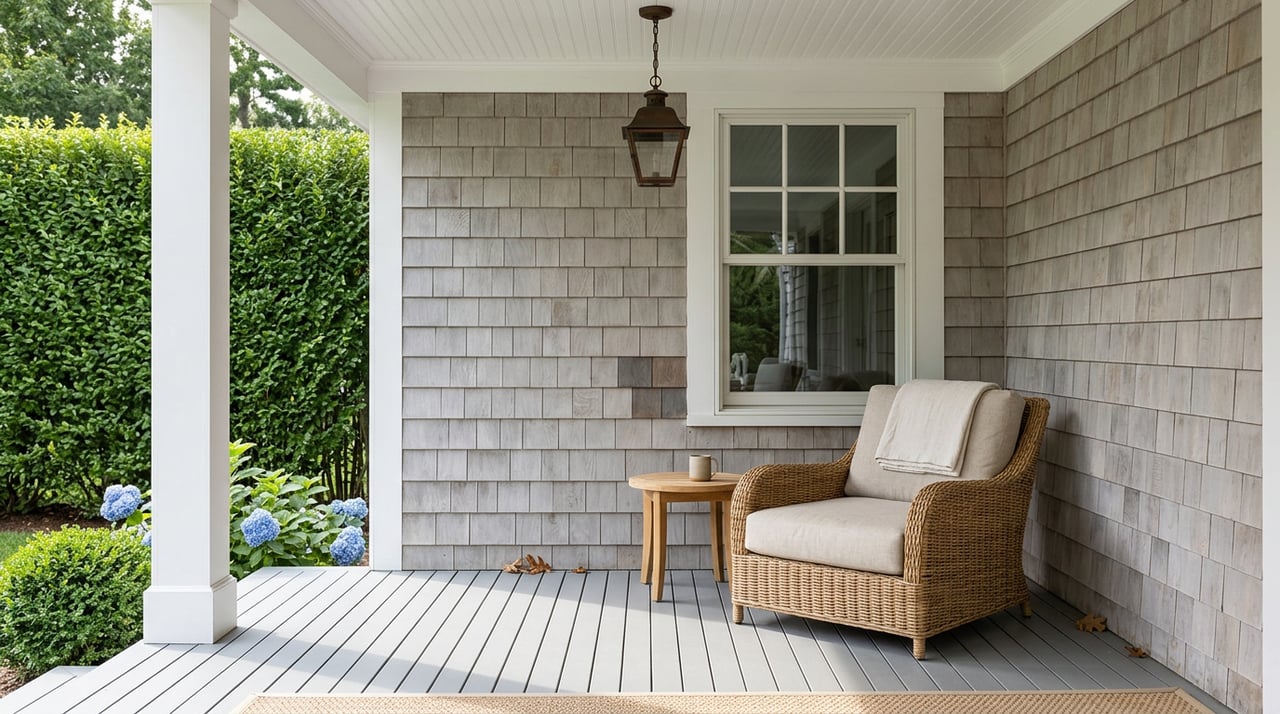
Sag Harbor’s housing stock is closely tied to its historic district. Village survey materials describe the Sag Harbor Village Historic District as including the central business district and adjoining residential neighborhoods, with wood-framed homes representing styles such as Federal, Greek Revival, Victorian, and Queen Anne.
You also see a broader mix of historic building types, including commercial stores, factory buildings, churches, civic buildings, and cemeteries. That layered architectural setting gives the village much of its visual identity and makes it feel different from newer coastal communities.
Lot sizes are often relatively modest. Village planning documents note that homes typically sit on parcels of less than half an acre, which can influence privacy, expansion plans, and how outdoor space is used.
Historic Rules Matter for Buyers
If you are considering updates, additions, or exterior changes, Sag Harbor’s preservation framework should be part of your planning from the start. In the historic district, building permits are reviewed by the Board of Historic Preservation and Architectural Review.
Village materials also state that exterior alterations require a Certificate of Appropriateness. That does not mean change is impossible, but it does mean design decisions are reviewed through the lens of historic preservation.
For many buyers, this is part of the value proposition. The same rules that can shape renovation timelines also help protect the architectural character that makes Sag Harbor distinctive.
Year-Round Community With a Seasonal Shift
Sag Harbor is not simply a summer village, though seasonality is part of its identity. Planning materials describe a long-standing seasonal component, and in the 2000 Census, 42.3% of housing units were vacant, with 699 vacant units classified as seasonal, recreational, or occasional use.
Village planning documents also note that peak population rises dramatically from May through October. Larger second homes and seasonal occupancy contribute to a noticeable change in pace during those months.
At the same time, current ACS data points to a real year-round residential base. The village’s 1,134 households and median household income of $129,821 suggest an established local community alongside the seasonal market.
For you as a buyer, this dual identity is important. Summer can feel busier, more social, and more active, while the off-season may feel quieter and more residential.
What Buyers Should Know About Pricing
Sag Harbor is a high-value market. Recent ACS estimates place the median value of owner-occupied housing units at $1,615,900.
That figure does not tell the whole story of any individual property, especially in a village with historic homes, waterfront locations, and seasonal demand. Still, it gives useful context for the level at which many buyers are entering the market.
Because the village offers a rare combination of harbor access, a compact downtown, and historic architecture, buyers are often weighing more than square footage alone. They are also evaluating setting, walkability, water proximity, and long-term character.
Who Sag Harbor Tends to Suit Best
Sag Harbor often works best for buyers who want a walkable harbor village with genuine character. It can be a strong fit if you value architecture, proximity to the waterfront, and a lifestyle that blends village convenience with coastal access.
It may be especially appealing if you are comfortable with a market shaped by historic preservation, seasonal change, and managed access to popular amenities such as beach parking and marina facilities. Buyers looking for a more informal or less regulated setting may find that Sag Harbor asks for a bit more planning.
For the right buyer, though, that structure is part of the appeal. It helps sustain the village scale, waterfront experience, and historic fabric that continue to make Sag Harbor one of the East End’s most distinctive places to live.
If you are weighing Sag Harbor against other Hamptons villages, the key question is often not whether it is charming. It is whether its particular kind of charm matches how you want to live, season after season.
If you want a grounded view of Sag Harbor’s housing opportunities, historic considerations, and waterfront lifestyle, Harald Grant Real Estate offers discreet, knowledgeable guidance across the Hamptons market.
FAQs
What is daily life like in Sag Harbor village?
- Daily life in Sag Harbor centers on a compact Main Street commercial core, nearby residential neighborhoods, and public spaces like Marine Park, Long Wharf, and Havens Beach.
Does Sag Harbor offer public waterfront access?
- Yes. Sag Harbor’s planning framework supports shoreline access, and the village includes public waterfront spaces, marina facilities, and its public bathing beach at Havens Beach.
Is Sag Harbor a year-round community or a seasonal market?
- It is both. Sag Harbor has an established year-round residential base, but village planning documents also show a significant seasonal population increase from May through October.
What should buyers know about historic homes in Sag Harbor?
- Buyers should know that many homes are within or near the historic district, and exterior changes in the district require review, including a Certificate of Appropriateness for exterior alterations.
Can you keep a boat in Sag Harbor?
- The village harbormaster manages seasonal and transient dockage and moorings, and the boating season runs from April 1 through October 31.
Is beach parking in Sag Harbor open to everyone all day?
- The village actively manages access. For the 2026 season, resident parking permits allow all-day parking at Havens Beach, the village’s only public bathing beach.