By Harald Grant
Selling a home while still living in it is one of the more nuanced challenges any homeowner faces, and in the Southampton market, where buyer expectations are elevated and first impressions carry enormous weight, the challenge is amplified considerably. The properties that command the strongest prices and generate the most competitive interest on the East End are those that present as immaculate, carefully considered, and immediately desirable from the moment a buyer steps through the door.
Achieving that standard while simultaneously managing the routines, rhythms, and realities of daily family life requires a clear strategy, genuine discipline, and the kind of practical guidance that turns a potentially stressful process into a manageable and ultimately rewarding one.
After decades of helping occupied households across Southampton Village, Water Mill, Bridgehampton, Sagaponack, and the broader East End navigate exactly this challenge, I want to share everything I know about doing it well.
Key Takeaways
Selling an occupied home in the Southampton market requires a specific set of strategies that balance presentation excellence with the practical demands of everyday life. Here is what this guide covers:
- The gap between how a home is lived in and how it needs to be presented for sale requires deliberate, sustained management throughout the listing period.
- Depersonalizing and decluttering are foundational steps that directly influence buyer perception and the ability to emotionally connect with a property.
- Establishing a daily and weekly showing preparation routine removes the anxiety of last-minute scrambles and protects the quality of the showing experience.
- Pet management, children's spaces, and personal collections each require specific strategies in the Southampton luxury market.
- Professional cleaning, landscaping maintenance, and staging enhancements work alongside the seller's own preparation discipline to maintain presentation standards throughout the listing period.
- Flexible showing access is one of the most powerful competitive advantages an occupied listing can offer and one of the most frequently underestimated.
- Harald Grant provides every occupied-home seller he represents with a detailed, personalized preparation plan that makes the process manageable and the outcome exceptional.
Understanding the Presentation Gap
The first and most important concept for any seller living in their home during the sales process to internalize is what I call the presentation gap. This is the distance between how a home looks and feels when it is being actively lived in and how it needs to look and feel when a buyer walks through the door. In most households, that gap is significant. Personal photographs cover surfaces and walls. Children's belongings migrate to every room. Closets are full to capacity. Kitchen counters accumulate the evidence of daily cooking. Furniture arrangements reflect how a family actually uses space rather than how a buyer most powerfully perceives it.
None of this reflects poorly on how a family lives. It reflects the reality that homes are meant to be lived in, and the traces of a life well-lived are everywhere. But buyers in the Southampton market, where properties are purchased as much for the lifestyle they represent as for the physical space they contain, need to be able to see themselves in the home rather than the current family.
Closing the presentation gap is the fundamental work of selling an occupied home, and it requires both a one-time transformation at the outset of the listing and a sustained daily commitment throughout the showing period.
None of this reflects poorly on how a family lives. It reflects the reality that homes are meant to be lived in, and the traces of a life well-lived are everywhere. But buyers in the Southampton market, where properties are purchased as much for the lifestyle they represent as for the physical space they contain, need to be able to see themselves in the home rather than the current family.
Closing the presentation gap is the fundamental work of selling an occupied home, and it requires both a one-time transformation at the outset of the listing and a sustained daily commitment throughout the showing period.
The Pre-Listing Transformation: Decluttering and Depersonalizing
Before a property goes on the market, I work with every occupied-home seller I represent through a thorough pre-listing transformation that addresses the presentation gap systematically. This process has two primary components: decluttering and depersonalizing, and they are closely related but distinct.
Decluttering means removing everything that is not contributing positively to the buyer's experience of the space. This includes excess furniture that makes rooms feel smaller than they are, decorative objects that have accumulated over years of living in the home, personal collections that draw attention to the owner's taste rather than the property's architecture, kitchen appliances and countertop items that are rarely used, and the general accumulation of belongings that fills closets, garages, and storage areas in any well-lived home.
In the Southampton market, buyers open every door. They evaluate storage capacity, ceiling heights, natural light, and the relationship between rooms with a level of attention that reflects the significance of the investment they are considering. A closet that is packed to capacity communicates inadequate storage. A room crowded with furniture communicates insufficient space. Neither perception is necessarily accurate, but both are powerful, and decluttering addresses them directly.
Depersonalizing means reducing the visible evidence of the specific family living in the home so that buyers can begin the process of imagining their own lives unfolding within it. Family photographs are the most common and most important element to address. A buyer who spends a showing looking at family portraits of the current owners is not forming the emotional connection to the property that leads to competitive offers.
Personal religious items, collections of highly specific taste, and personalized décor elements all fall into the same category. The goal is not to make the home feel sterile or impersonal but to shift it from belonging to a specific family toward belonging to the next family who has not yet arrived.
Decluttering means removing everything that is not contributing positively to the buyer's experience of the space. This includes excess furniture that makes rooms feel smaller than they are, decorative objects that have accumulated over years of living in the home, personal collections that draw attention to the owner's taste rather than the property's architecture, kitchen appliances and countertop items that are rarely used, and the general accumulation of belongings that fills closets, garages, and storage areas in any well-lived home.
In the Southampton market, buyers open every door. They evaluate storage capacity, ceiling heights, natural light, and the relationship between rooms with a level of attention that reflects the significance of the investment they are considering. A closet that is packed to capacity communicates inadequate storage. A room crowded with furniture communicates insufficient space. Neither perception is necessarily accurate, but both are powerful, and decluttering addresses them directly.
Depersonalizing means reducing the visible evidence of the specific family living in the home so that buyers can begin the process of imagining their own lives unfolding within it. Family photographs are the most common and most important element to address. A buyer who spends a showing looking at family portraits of the current owners is not forming the emotional connection to the property that leads to competitive offers.
Personal religious items, collections of highly specific taste, and personalized décor elements all fall into the same category. The goal is not to make the home feel sterile or impersonal but to shift it from belonging to a specific family toward belonging to the next family who has not yet arrived.
Staging Within an Occupied Home
Full professional staging is the gold standard for vacant properties, but occupied homes present a different set of opportunities and constraints. The approach I use with occupied-home sellers combines targeted staging enhancements with thoughtful editing of what remains to create a presentation that feels intentional, elevated, and appealing to the Hamptons buyer without requiring the complete removal of all furnishings.
This typically involves introducing fresh, neutral bedding and towels in bathrooms and bedrooms, adding carefully chosen decorative elements that reinforce the coastal, sophisticated aesthetic that resonates in this market, editing existing furniture to the pieces that best serve each room's presentation, and addressing areas where the gap between the home's current state and its ideal presentation is most visible.
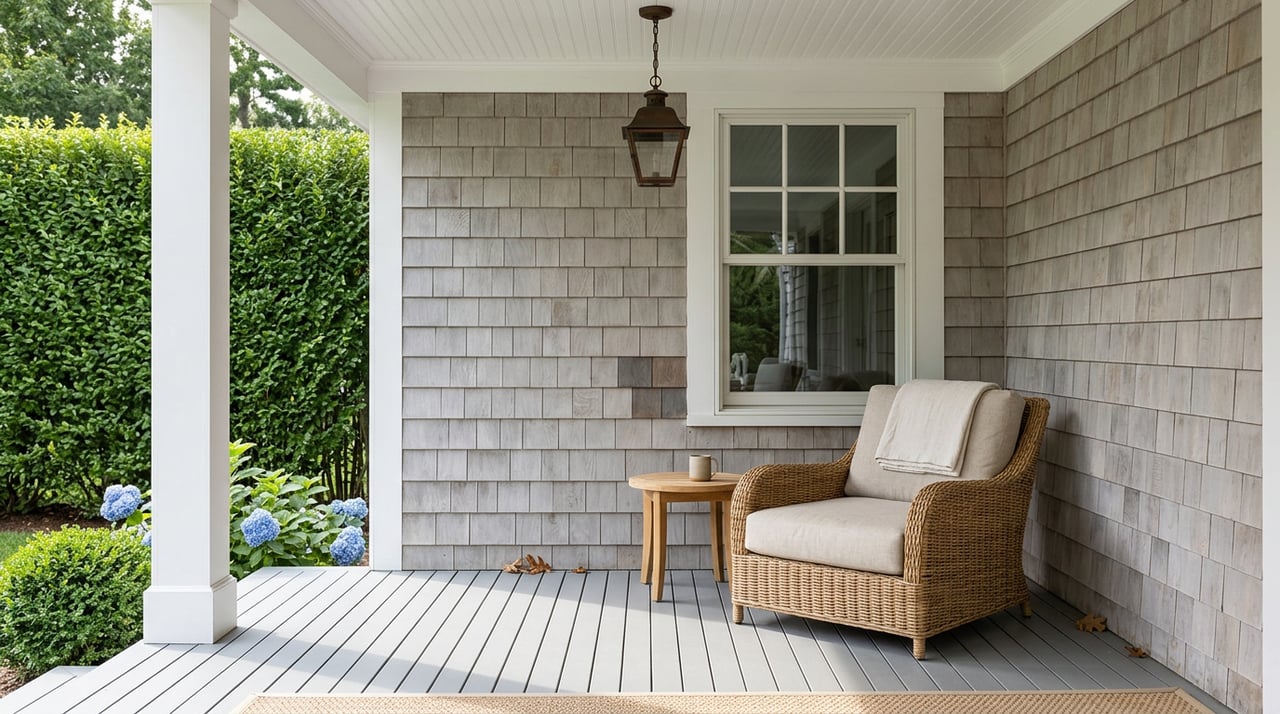
The outdoor spaces deserve equal attention. In the Hamptons, where outdoor living is central to the lifestyle proposition, a pool area, terrace, or garden that is staged thoughtfully can be as persuasive as any interior space in the property.
I work with professional staging consultants who understand the specific aesthetic expectations of the Southampton buyer and who approach occupied homes with both a clear vision and a practical understanding of how to achieve it without disrupting the family's ability to continue living in the space.
This typically involves introducing fresh, neutral bedding and towels in bathrooms and bedrooms, adding carefully chosen decorative elements that reinforce the coastal, sophisticated aesthetic that resonates in this market, editing existing furniture to the pieces that best serve each room's presentation, and addressing areas where the gap between the home's current state and its ideal presentation is most visible.
The outdoor spaces deserve equal attention. In the Hamptons, where outdoor living is central to the lifestyle proposition, a pool area, terrace, or garden that is staged thoughtfully can be as persuasive as any interior space in the property.
I work with professional staging consultants who understand the specific aesthetic expectations of the Southampton buyer and who approach occupied homes with both a clear vision and a practical understanding of how to achieve it without disrupting the family's ability to continue living in the space.
Establishing a Daily Showing Routine
The single most effective thing an occupied-home seller can do to maintain presentation quality throughout the listing period is to establish a clear, consistent daily routine that keeps the home in showing-ready condition at all times. In my experience, sellers who treat this as a serious discipline rather than an aspirational goal consistently produce better showing experiences and better outcomes than those who scramble to prepare on short notice before each individual visit.
The daily routine I recommend for Southampton sellers includes making all beds to hotel standard each morning, clearing and wiping all kitchen and bathroom counters before leaving the home, ensuring that personal items such as shoes, bags, and everyday clutter are stored out of sight, running a quick visual check of all main living areas, and attending to any outdoor areas that are visible from the street or primary entrance. This routine, when it becomes habitual, adds perhaps fifteen to twenty minutes to the morning and eliminates the anxiety of last-minute preparation entirely.
Weekly tasks include a professional cleaning visit that addresses the deeper cleaning standards a luxury property requires, a landscaping maintenance check that ensures the exterior presentation remains immaculate, and a quick inventory of any areas that have drifted from their staged presentation and need to be reset. The investment of time and attention this routine requires is modest relative to the impact it has on the quality of every buyer's experience and the competitive engagement that quality experience generates.
The daily routine I recommend for Southampton sellers includes making all beds to hotel standard each morning, clearing and wiping all kitchen and bathroom counters before leaving the home, ensuring that personal items such as shoes, bags, and everyday clutter are stored out of sight, running a quick visual check of all main living areas, and attending to any outdoor areas that are visible from the street or primary entrance. This routine, when it becomes habitual, adds perhaps fifteen to twenty minutes to the morning and eliminates the anxiety of last-minute preparation entirely.
Weekly tasks include a professional cleaning visit that addresses the deeper cleaning standards a luxury property requires, a landscaping maintenance check that ensures the exterior presentation remains immaculate, and a quick inventory of any areas that have drifted from their staged presentation and need to be reset. The investment of time and attention this routine requires is modest relative to the impact it has on the quality of every buyer's experience and the competitive engagement that quality experience generates.
Managing Pets During the Selling Process
Pets are a particularly important consideration in the occupied-home selling process, and one that Southampton sellers sometimes underestimate. Buyers in this market, many of whom are visiting multiple properties in a single day, are evaluating every sensory aspect of their experience, not just the visual. The smell of pets, the visible evidence of animals in living spaces, and the presence of a dog or cat during a showing all influence buyer perception in ways that can undermine the most careful presentation effort.
My recommendation to sellers with pets is practical and direct. Pet beds, feeding stations, and toys should be stored out of sight before every showing. The home should be thoroughly aired and professionally cleaned on a regular schedule that accounts for the ongoing presence of animals. If possible, pets should be removed from the property entirely during showings, either by a family member, a dog walker, or a boarding arrangement. A buyer who loves dogs may find a friendly pet charming. A buyer who does not, or who has allergies, will form a negative impression that no amount of beautiful staging can overcome.
My recommendation to sellers with pets is practical and direct. Pet beds, feeding stations, and toys should be stored out of sight before every showing. The home should be thoroughly aired and professionally cleaned on a regular schedule that accounts for the ongoing presence of animals. If possible, pets should be removed from the property entirely during showings, either by a family member, a dog walker, or a boarding arrangement. A buyer who loves dogs may find a friendly pet charming. A buyer who does not, or who has allergies, will form a negative impression that no amount of beautiful staging can overcome.
Navigating Showings with Children
Families with children face a related but distinct challenge. Children's rooms, playrooms, and the general evidence of active family life throughout a home are not inherently negative in a market where many buyers are themselves families looking for a home that will serve the same purpose. But the presentation of those spaces, and the management of showing logistics when children are at home, requires specific attention.
Children's rooms should be neat, organized, and presented as spacious and functional rather than overrun with toys and personal items. A single well-organized toy chest in a clean, freshly painted room communicates an entirely different story than the same room covered wall to wall with the evidence of active daily use. Playrooms and shared family spaces should follow the same principle: curated, organized, and presented in a way that communicates generous scale rather than chaos.
For showings that occur when children are at home, I recommend having a clear plan for managing their presence, whether that means a scheduled activity that keeps them occupied in one area of the home, an arrangement to take them out during the showing window, or a family routine that normalizes the showing process in a way that makes children comfortable participants rather than reluctant ones.
Children's rooms should be neat, organized, and presented as spacious and functional rather than overrun with toys and personal items. A single well-organized toy chest in a clean, freshly painted room communicates an entirely different story than the same room covered wall to wall with the evidence of active daily use. Playrooms and shared family spaces should follow the same principle: curated, organized, and presented in a way that communicates generous scale rather than chaos.
For showings that occur when children are at home, I recommend having a clear plan for managing their presence, whether that means a scheduled activity that keeps them occupied in one area of the home, an arrangement to take them out during the showing window, or a family routine that normalizes the showing process in a way that makes children comfortable participants rather than reluctant ones.
Flexible Access: The Competitive Advantage Most Sellers Underestimate
In a market where buyers are coordinating visits across multiple Hamptons properties in a single trip from New York City or beyond, showing access is a genuine competitive variable. Sellers who make their properties easy to show, with minimal advance notice requirements, broad availability windows, and a consistent commitment to having the home in showing-ready condition at all times, gain a meaningful advantage over sellers whose properties are difficult to access.
The buyers who are most motivated and most financially capable in the Southampton market do not reshape their schedules around a difficult-to-show listing. They simply move on to properties that welcome them on their timeline. Every showing that does not happen because a property was unavailable or inconvenient to access is a missed opportunity to generate the competitive interest that produces strong outcomes.
I work with every occupied-home seller I represent to establish the most accommodating showing access policy that their daily life can reasonably support and to communicate that accessibility clearly to the buyer agent community from the moment of launch.
The buyers who are most motivated and most financially capable in the Southampton market do not reshape their schedules around a difficult-to-show listing. They simply move on to properties that welcome them on their timeline. Every showing that does not happen because a property was unavailable or inconvenient to access is a missed opportunity to generate the competitive interest that produces strong outcomes.
I work with every occupied-home seller I represent to establish the most accommodating showing access policy that their daily life can reasonably support and to communicate that accessibility clearly to the buyer agent community from the moment of launch.
The Role of Professional Cleaning and Maintenance
No matter how diligent a family's daily preparation routine, the standard of cleanliness and maintenance that the Southampton luxury market demands is difficult to sustain without professional support. I recommend a scheduled professional cleaning visit at least weekly throughout the listing period, with additional visits timed around periods of anticipated high showing activity such as the days following a new listing launch or ahead of an open house.
The professional cleaning standard for a Southampton listing goes beyond surface cleanliness. It includes the deep cleaning of kitchen appliances, the careful attention to window glass that maximizes natural light, the maintenance of bathroom fixtures to a hotel-grade standard, and the attention to details such as baseboards, light fixtures, and door hardware that sophisticated buyers notice even when they are not consciously evaluating them.
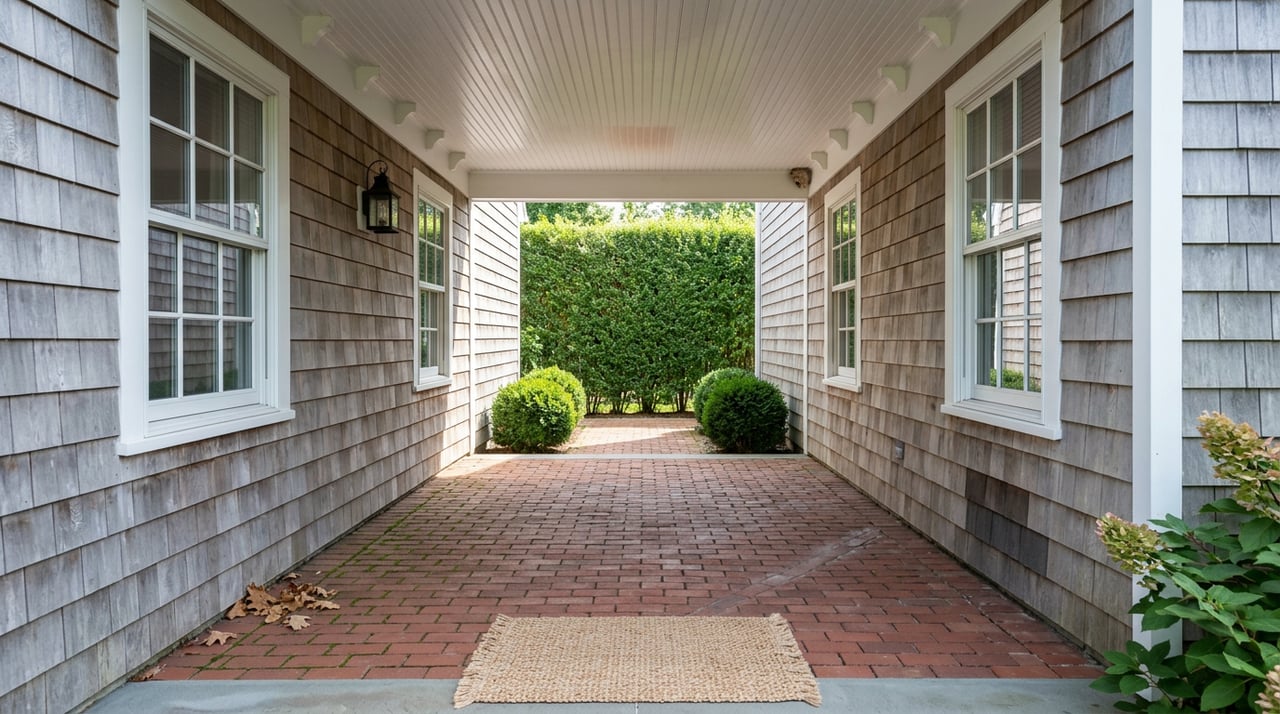
Exterior maintenance deserves equal commitment. The lawn, garden, hedgerow, pool, and any outdoor structures should be maintained on a schedule that ensures they are always presenting at their best. A property that looks pristine from the street and equally impressive in the back garden communicates the kind of care and attention that buyers in this market respond to with both admiration and competitive urgency.
The professional cleaning standard for a Southampton listing goes beyond surface cleanliness. It includes the deep cleaning of kitchen appliances, the careful attention to window glass that maximizes natural light, the maintenance of bathroom fixtures to a hotel-grade standard, and the attention to details such as baseboards, light fixtures, and door hardware that sophisticated buyers notice even when they are not consciously evaluating them.
Exterior maintenance deserves equal commitment. The lawn, garden, hedgerow, pool, and any outdoor structures should be maintained on a schedule that ensures they are always presenting at their best. A property that looks pristine from the street and equally impressive in the back garden communicates the kind of care and attention that buyers in this market respond to with both admiration and competitive urgency.
Frequently Asked Questions
How far in advance of listing should I begin the decluttering and depersonalizing process?
I recommend beginning at least four to six weeks before the intended listing date, and earlier if the property is large or has significant accumulation that requires substantial editing. This timeline allows for a thoughtful, unhurried approach to the process rather than a rushed pre-listing scramble, and it gives sellers time to address any repairs or improvements that the decluttering process reveals. The earlier the pre-listing transformation begins, the more polished and complete the result will be.
Is it worth renting storage during the listing period to remove excess belongings?
Absolutely, and I recommend it to virtually every occupied-home seller I work with. The cost of a storage unit for the duration of the listing period is modest relative to the impact that removing excess furniture and personal belongings has on how buyers perceive the space. Buyers who see spacious, well-edited rooms consistently form more positive impressions and offer more competitive terms than those who view rooms cluttered with the evidence of daily living.
How do I handle a last-minute showing request when the home is not fully prepared?
This is precisely why I emphasize the daily preparation routine so strongly. When a seller has maintained a consistent daily routine that keeps the home in a reliably good state of presentation, last-minute showing requests become manageable rather than stressful. A quick fifteen-minute run-through of the main spaces, storing visible personal items, opening blinds and windows for light and air, and ensuring the exterior is tidy is all that is needed when the foundational preparation is already in place.
Should I be present during showings of my own home?
I strongly recommend against it. Buyers need space and privacy to explore a property honestly and form genuine impressions without feeling observed or obligated to make polite conversation with the current owners. Sellers who are present during showings, no matter how well-intentioned, consistently reduce the quality and duration of the buyer's engagement with the property. Removing yourself and your family, including pets, from the home during every showing is one of the most impactful things you can do to improve the buyer experience.
How long should I expect the listing period to last for an occupied home in Southampton?
This depends on price point, market conditions, and the quality of the preparation and pricing strategy. A well-prepared, correctly priced occupied home in a desirable Southampton location can move very quickly, sometimes within the first two weeks of listing. The preparation discipline and showing access flexibility I have described in this guide are specifically designed to compress the listing period by maximizing buyer engagement and competitive interest from the moment of launch.
Selling your Southampton home while living in it is entirely achievable without sacrificing the quality of your daily life or the quality of your property's presentation, but it requires a clear strategy, consistent discipline, and the right guidance from an agent who understands both the demands of the market and the realities of occupied-home selling. I bring that combination of market expertise and practical wisdom to every seller relationship I am trusted with on the East End.
When you are ready to discuss how to bring your Southampton property to market in the best possible condition and with the best possible strategy behind it, I invite you to reach out to me at Harald Grant Real Estate and let's begin that conversation.
Selling your Southampton home while living in it is entirely achievable without sacrificing the quality of your daily life or the quality of your property's presentation, but it requires a clear strategy, consistent discipline, and the right guidance from an agent who understands both the demands of the market and the realities of occupied-home selling. I bring that combination of market expertise and practical wisdom to every seller relationship I am trusted with on the East End.
When you are ready to discuss how to bring your Southampton property to market in the best possible condition and with the best possible strategy behind it, I invite you to reach out to me at Harald Grant Real Estate and let's begin that conversation.